
Forest School Subject Leader: Mrs N Gardner
For any more information on Whitehill Primary’s Forest School Curriculum, please contact the office.
Intent
At Whitehill, we believe that spending time outdoors is essential for children’s well-being, learning, and personal development. Many of our pupils have limited opportunities to explore nature, so our Forest School sessions are designed to provide safe, stimulating, and therapeutic outdoor experiences.
Our aim is to help children develop confidence, independence, creativity, and teamwork, while discovering skills that may not always emerge in a classroom. Forest School also encourages children to reflect, share their thoughts, and build resilience in a nurturing environment.
Implementation
Forest School is delivered by trained, Level 3 Forest School leaders with a passion for outdoor learning. Sessions take place in a dedicated outdoor area that the children help design and maintain, encouraging a sense of ownership and care for their environment.
Children work in small, supportive groups, allowing for child-led exploration and learning. Activities are planned progressively for each key stage, and include:
-
Establishing rules, sharing interests, and planning learning
-
Storytelling with woodland themes (e.g., Gruffalo, Stickman, Three Billy Goats Gruff)
-
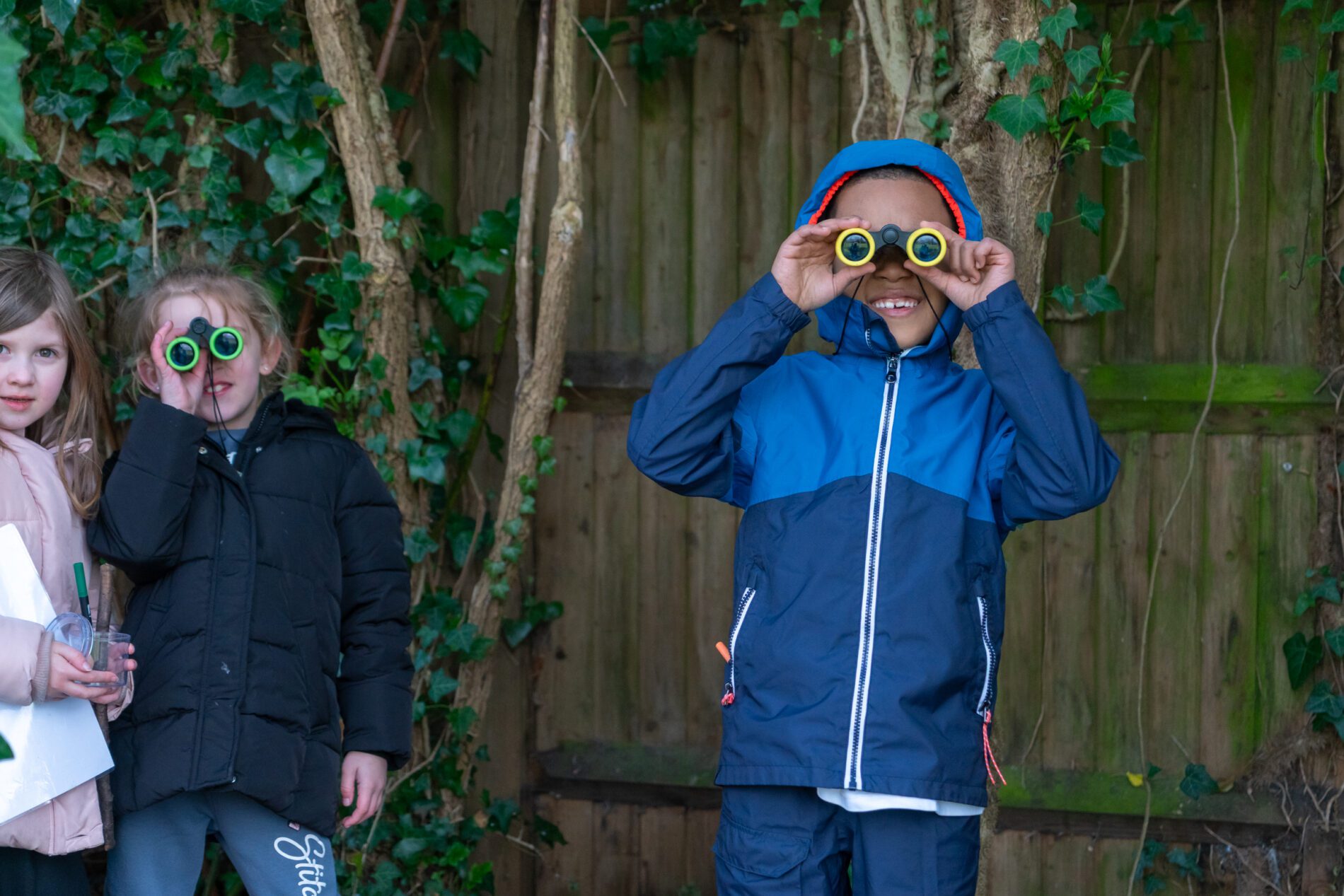
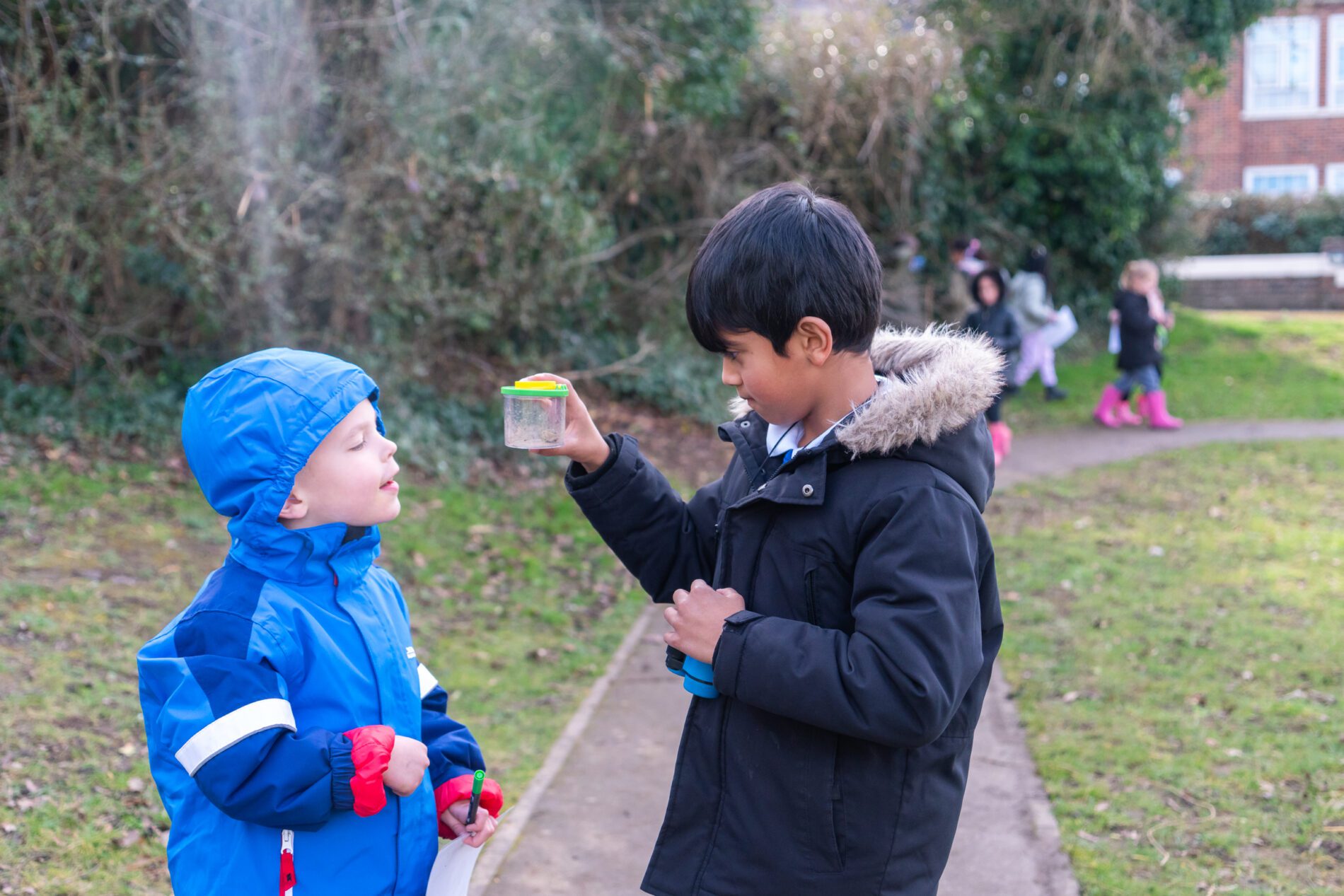
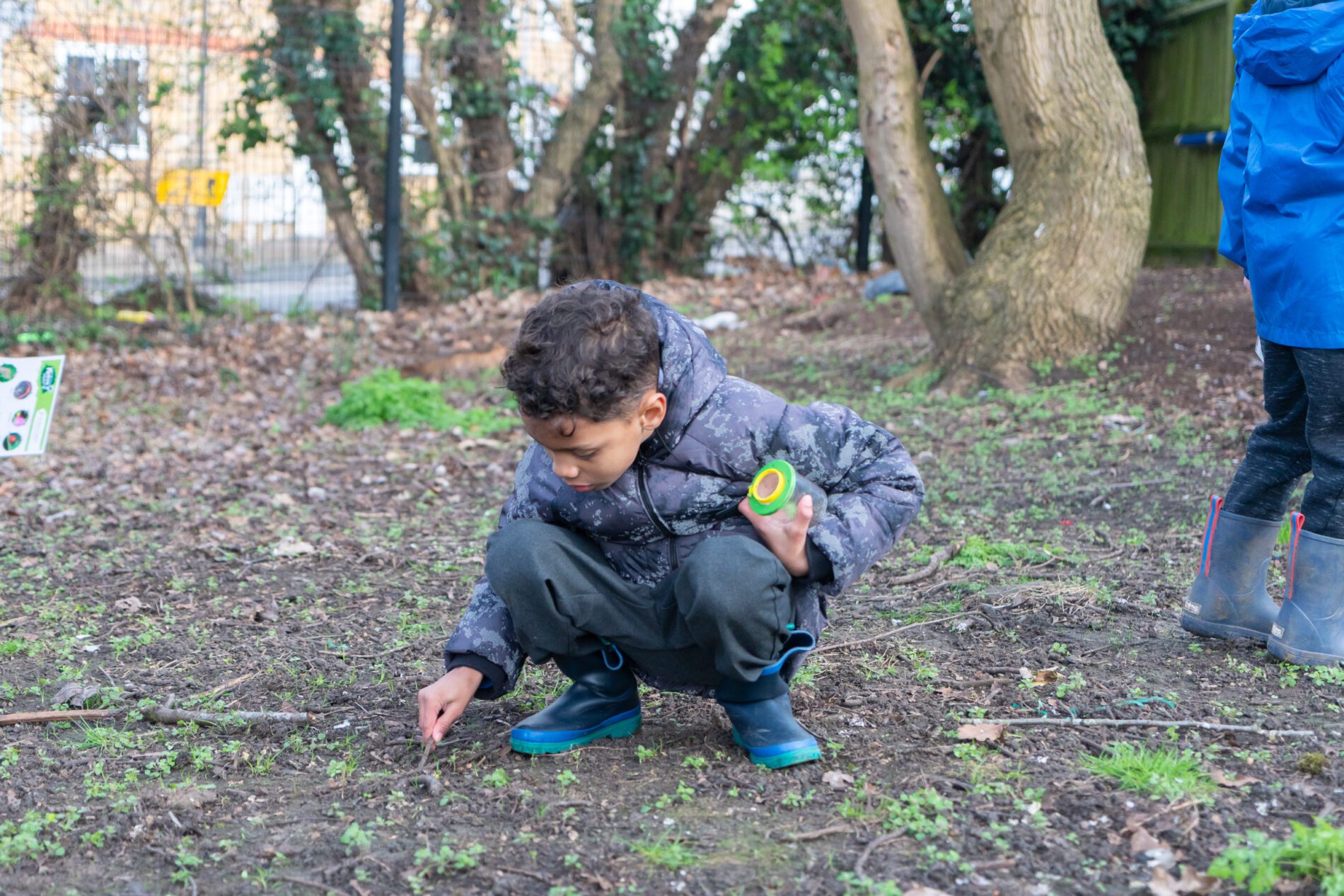
Mini-beast hunts, bird watching, and habitat exploration
-
Den and shelter building
-
Clay modelling, art in nature, and creative play
-
Fire lighting, flint & steel practice, hot chocolate & marshmallows
-
Music making in the woods, play cooking, and woodland crafts
-
Wildlife studies and using natural properties of flora and fauna
Forest School is delivered throughout the school year, rotating through different year groups, and is also offered during holiday clubs. Learning is child-led wherever possible, but always guided to ensure safety and maximise skill development.
Impact
Forest School has a transformative effect on children at Whitehill. Pupils develop confidence, independence, and social skills, often discovering hidden talents and natural leadership qualities. The small-group, hands-on approach helps children share ideas, voice concerns, and develop friendships in a supportive environment.
Teachers and observers have noted the therapeutic benefits of Forest School, with children engaging fully, taking responsibility for their learning, and valuing time outdoors. Children leave Forest School with a deeper appreciation for nature, stronger teamwork and problem-solving skills, and a love of learning that extends beyond the classroom.
Forest School at Each Stage
In Nursery and Reception, children begin by learning the rules of Forest School, sharing their interests, and helping to plan their own learning. They enjoy woodland-themed stories like The Gruffalo and The Gruffalo’s Child, mini-beast hunts, den and shelter building, clay modelling, flint and steel activities, and play cooking. These sessions help develop confidence, curiosity, creativity, and teamwork in a safe and engaging outdoor environment.
In Years 1 and 2, children explore woodland stories such as Stickman and The Three Billy Goats Gruff, while observing mini-beasts, birds, and habitats. Den and shelter building, music-making in the woods, clay modelling, flint and steel, magic sparks, and hot chocolate and marshmallows provide opportunities to develop problem-solving, independence, resilience, and practical outdoor skills.
Lower Key Stage 2 (Years 3 and 4)
In Years 3 and 4, children progress to story-making with woodland themes and continue exploring mini-beasts, birds, and habitats. Activities include den building, music in the woods, clay modelling, flint and steel, art in nature such as leaf printing, and magic sparks. Hot chocolate and marshmallows encourage social interaction while fostering creativity, leadership, teamwork, and confidence in the outdoors.
Upper Key Stage 2 (Years 5 and 6)
In Years 5 and 6, Forest School focuses on wildlife and using the natural properties of flora and fauna within the grounds. Pupils build dens, practise wood whittling, clay modelling, and safe fire-lighting. These sessions develop independence, resilience, leadership, teamwork, and a lasting appreciation of nature, while hot chocolate and marshmallows provide a social and enjoyable element to learning outdoors.
Inclusion & Equal Opportunities
Our SEND and disadvantaged pupils are given the necessary support in class to fully access the supported Forest School curriculum. Learning is adapted where necessary to support SEND/EAL pupils to give equal opportunities for all to be confident in approaching any problems faced. The above areas are robustly and continuously monitored to ensure any gaps in learning are addressed.