
Statement of Intent
Whitehill Primary School provides a broad, balanced and inclusive curriculum designed to ensure clear progression of knowledge, skills and understanding across the school. We believe every child is entitled to an education that equips them with the knowledge, skills and values they need to embrace opportunities, overcome challenges and shape the future they want.
Our curriculum reflects the vibrancy and diversity of our local community, giving children access to experiences they may not otherwise receive. It is enriched with real-life, immersive and cultural opportunities that build character and deepen understanding.
We aim for our pupils to develop into independent, resilient and responsible citizens who contribute positively to society. Through our curriculum, we nurture the following values:
-
Harmonious – Embracing and valuing difference
-
Autonomous – Learning to do things independently
-
Noble – Being courageous, kind and thoughtful
-
Determined – Never giving up and learning from mistakes
-
Spirited – Being physically and mentally happy with oneself and others
Our goal is clear: through high-quality teaching of an ambitious curriculum, every child can achieve their full potential and become a well-rounded individual who is prepared for the future world.
Statement of Implementation
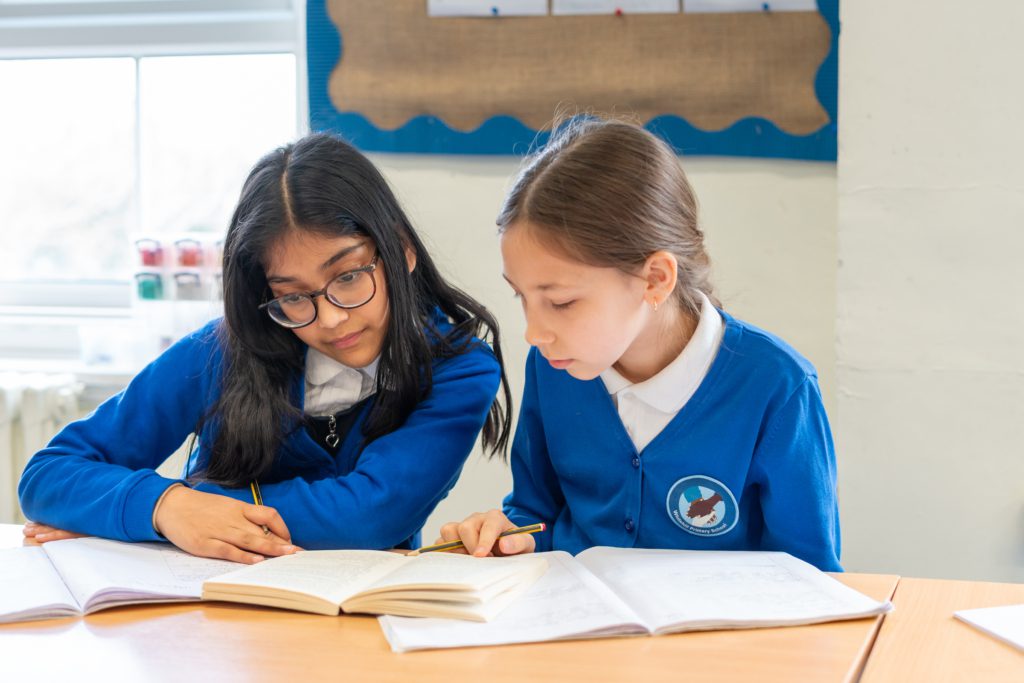
Teachers deliver coherently planned and sequenced lessons that build on pupils’ prior knowledge and ensure logical progression over time. Learning is facilitated through challenging, thought-provoking and engaging activities that stimulate curiosity and promote deep understanding.
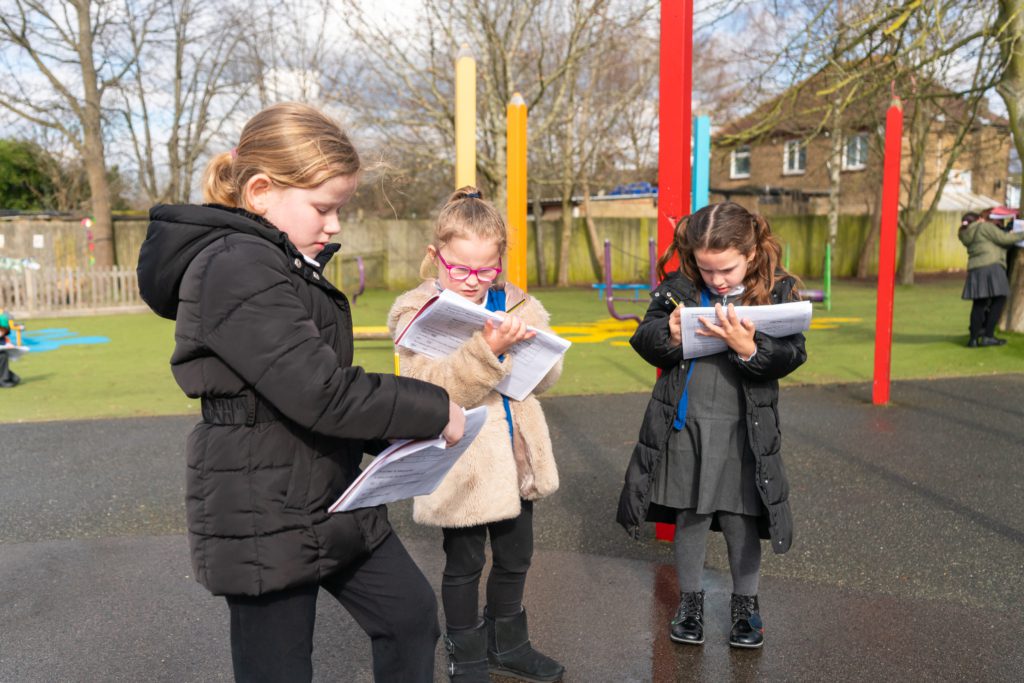
The curriculum is enriched through real-life, immersive and cultural experiences carefully integrated into curriculum plans. Enrichment activities are designed to bring learning to life, enabling children to apply their knowledge and skills in meaningful, varied and social contexts.
We ensure that pupils have access to opportunities that broaden their horizons and reflect the diversity of our community. Through this inclusive and well-structured approach, teaching consistently promotes a love of learning.
Key Principles Underpinning Our Curriculum
We carefully plan what skills and subjects are taught and when, ensuring key ideas are revisited over time. Each revisit deepens pupils’ understanding and builds complexity, following a spiral curriculum approach inspired by Jerome Bruner’s theory of learning.
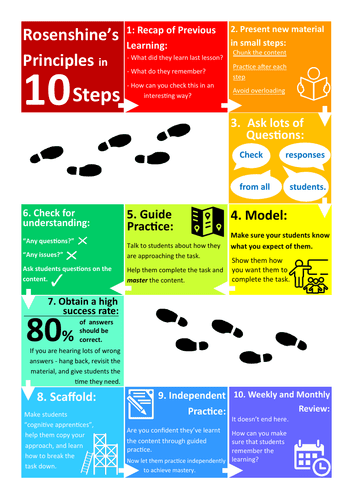
We also base our approach on Rosenshine’s Principles of Instruction, which guide all teaching at Whitehill. Lessons begin with a recap of previous learning, before new content is introduced in small, manageable steps. Teachers make clear links to what pupils already know, ask questions to deepen understanding and model expectations so children can see what success looks like.
Throughout the lesson, teachers check learning, address misconceptions and provide guided practice until pupils are secure. Once confident, children apply their learning independently, helping it become embedded over time. Regular activities, quizzes and short tests support long-term recall.
Where helpful, we use metacognition strategies, working walls, word banks and floor books to strengthen understanding and support memory.
Statement of Impact
Through this curriculum, pupils develop secure knowledge, skills and values that prepare them to thrive both academically and personally. They become confident, independent and resilient learners who understand the empowering nature of gaining knowledge.
Children demonstrate the H.A.N.D.S values in their behaviour, attitudes and interactions with others. They leave Whitehill Primary School as well-rounded, responsible citizens who are ready for the next stage of education and equipped to succeed in the future world.
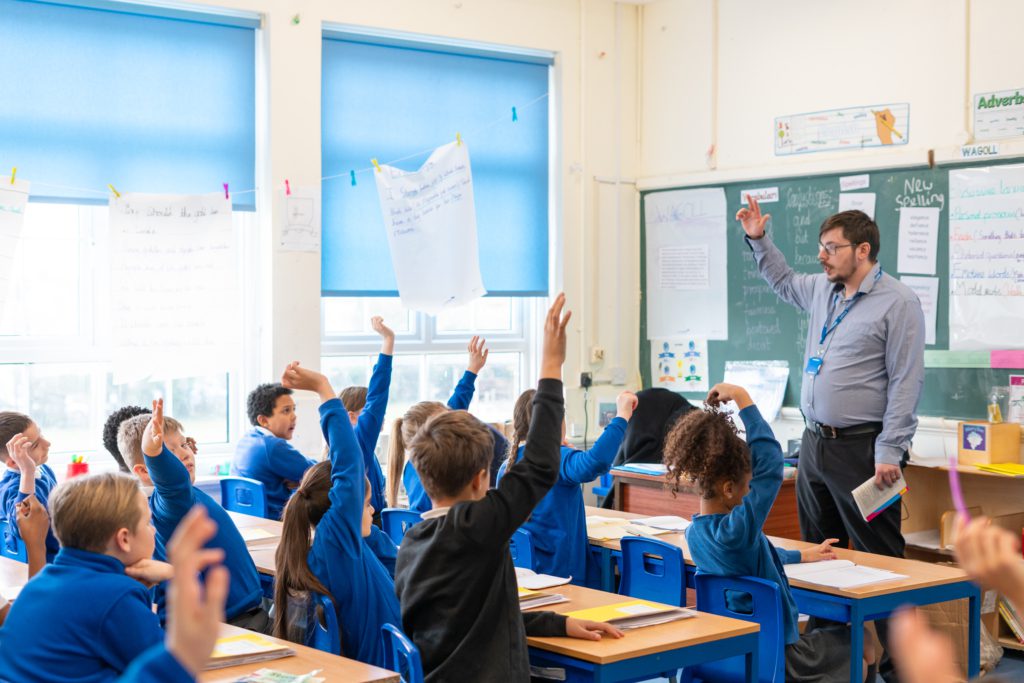
Ongoing teacher and student review (formative assessment) is used to inform the immediate ‘shape’ and content of the lesson and then future lesson plan. Through formative assessment, teaching staff can promptly address any misconception, give further support and also extend learning where fitting. At Whitehill, we give priority to ‘live marking and feedback.’ Having such dialogue whilst the learner is still engaged maximises impact. In addition to formative assessment, learning is reviewed at the end of term one, three and five (summative assessment). In addition to a review of the overall formative assessments, tests may used to support these summative assessments. Judgements about our students overall progress and attainment are moderated by a range of internal and external processes. Meetings are had to review these summative assessments and to agree interventions where any pupil’s progress has slowed.
If you require any further information about our curriculum, please do not hesitate to contact the school office who will put you in contact with the relevant subject leader.